Eva vets

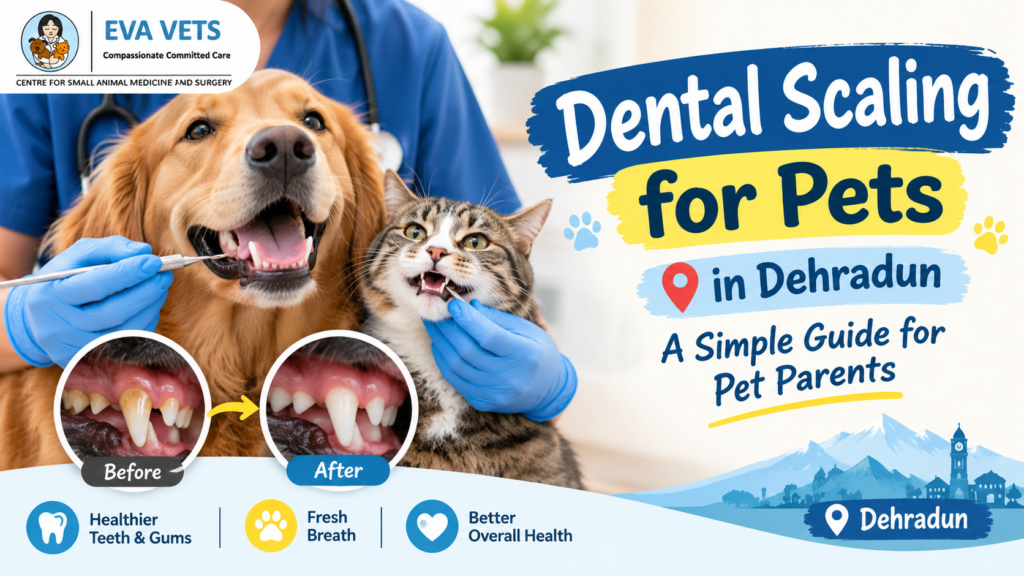
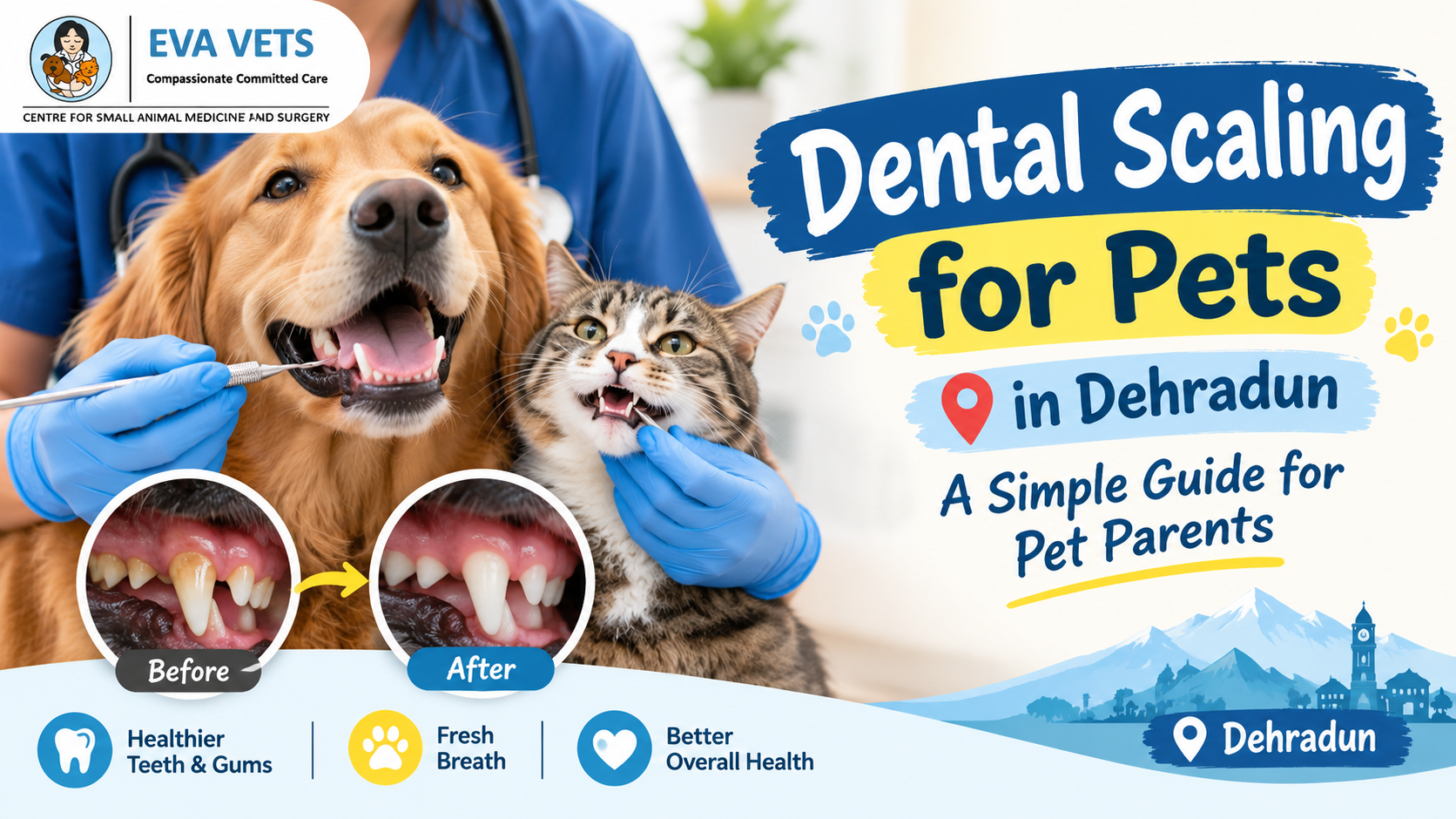
Dental Scaling for Pets in Dehradun: A Simple Guide for Pet Parents

Dental Scaling for Pets in Dehradun

Medically reviewed by: Dr. Mithila Jatin Singhal, Veterinarian, Eva Vets Veterinary Hospital, Dehradun·

Have you noticed your dog’s breath getting stronger or yellow-brown stains on your cat’s teeth? These are early warning signs that the mouth needs care. At Eva Vets in Dehradun, we see this often, and the good news is that it can be treated. Dental scaling for pets is the safest way to remove hard tartar and protect your pet’s gums, teeth and overall health.

What Is Dental Scaling for Pets?

Dental Scaling for Pets in Dehradun

Dental scaling for pets is a professional cleaning done by a veterinarian. Special instruments, often ultrasonic scalers, remove plaque and tartar from the tooth surface and from under the gum line. After scaling, the teeth are polished so they stay smooth and collect less plaque in the future.

Think of it like your own visit to the dentist. Brushing at home helps, but it cannot remove hardened tartar. Only a trained vet can do that safely.

Why Pet Teeth Need Professional Care

Most dogs and cats show some dental disease by the age of three. Because pets hide pain well, owners often notice the problem late.

Plaque and Tartar Build-Up

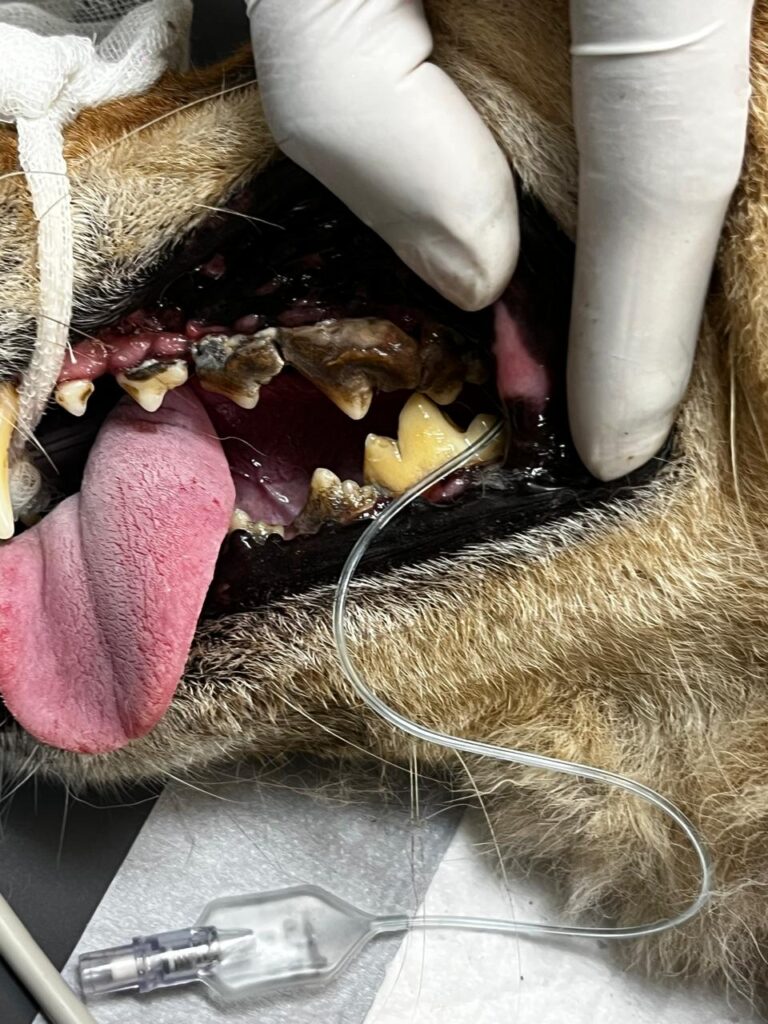
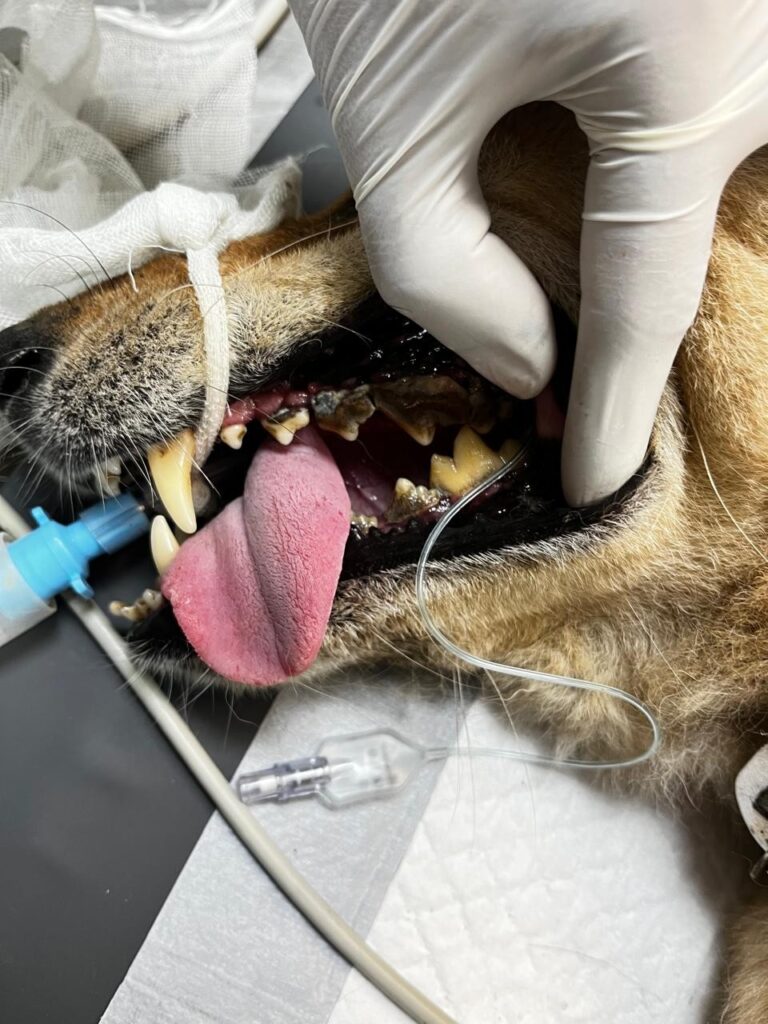
Plaque is a soft, sticky film of bacteria. Within a few days it hardens into tartar (also called calculus). Tartar cannot be brushed off and keeps irritating the gums.

Gum Disease

When tartar sits under the gums, it causes gingivitis (red, swollen gums). Without treatment, this can become periodontal disease, which damages the bone that holds the teeth in place and can lead to loose or lost teeth.

Health Problems Beyond the Mouth

Bacteria from infected gums can enter the bloodstream. Over time, this may put extra stress on the heart, liver and kidneys. Regular dental scaling for pets helps lower this risk and keeps your pet comfortable.

Signs Your Pet Needs Teeth Cleaning

Watch for these common signs:

  • Bad breath that does not go away
  • Yellow, brown or grey crust on the teeth
  • Red, swollen or bleeding gums
  • Drooling more than usual
  • Chewing on one side or dropping food
  • Pawing at the mouth or refusing hard food
  • Loose, broken or missing teeth

If you see any of these, book a dental check-up. Early care is simpler and cheaper than treating advanced disease.

Feeding Schedule and Portion Control

  • Puppies (8 weeks to 6 months): 3-4 meals per day
  • Puppies (6-12 months): 2 meals per day
  • Adult dogs: 1-2 meals per day
  • Senior dogs: 1-2 meals per day (may need smaller, more frequent meals)

Overfeeding is one of the most common causes of obesity in dogs. Use the feeding guidelines on your dog food package as a starting point, then adjust based on your dog’s body condition and activity level. Your vet can help determine the ideal weight for your dog.

From Our Clinic: What We See at Eva Vets Dehradun

Dental care is one of the listed specialities at Eva Vets, and we always perform scaling under general anaesthesia so your pet feels no pain and stays still. Our hospital on Canal Road has an in-house laboratory and X-ray facility, so pre-anaesthetic blood tests and dental X-rays can be done at the clinic itself.

Our team is led by Dr. Mithila Jatin Singhal, and many pet parents have trusted us with their dogs and cats for years. Most dental cases start with a simple check-up where the owner only noticed bad breath.

How the Dental Scaling Procedure Works

The process is planned carefully so your pet stays safe and comfortable.

Step 1: Oral Exam and Health Check

The vet checks the teeth and gums and reviews your pet’s age and medical history. Blood tests are often advised before the procedure, especially for older pets, to make sure the liver and kidneys can handle anaesthesia. We run these tests in our in-house lab. It is also a good time to make sure your pet’s vaccinations are up to date.

Step 2: General Anaesthesia

Pets cannot sit still with their mouths open, so a safe, monitored anaesthesia is used. It allows the vet to clean below the gum line properly and protects your pet from stress and pain. Heart rate, oxygen level and temperature are watched throughout.

Step 3: Scaling and Polishing

The vet removes tartar above and below the gum line, checks each tooth, and then polishes the surface. Dental X-rays may be taken when the roots need to be checked.

Step 4: Extractions if Needed

Teeth that are badly infected or loose may need to be removed. This is done for your pet’s comfort, and pain medicine is given. Extractions are handled by our pet surgery team when needed.

Step 5: Recovery and Aftercare

Most pets go home the same day. Expect some sleepiness for a few hours.

Simple Aftercare Tips
  • Offer a small, soft meal in the evening
  • Give any medicines exactly as advised
  • Keep your pet calm for 24 hours
  • Start a brushing routine once the vet says it is safe

Dogs vs Cats: What Is Different?

Dog Dental Scaling

Dogs, especially small breeds like Pomeranians, Shih Tzus and Pugs, often get tartar early because their teeth are crowded. A dog dental scaling appointment every 6 to 12 months may be advised, depending on the breed and the condition of the mouth.

Cat Dental Cleaning

Cats can develop painful lesions at the gum line that are not easy to see. They may simply eat less or become quiet. A yearly dental check helps your vet catch these hidden problems early.

Can You Descale Your Pet’s Teeth at Home?

We do not recommend it. Scraping plaque with a tool at home can scratch the enamel, hurt the gums, and push bacteria under the gum line. It also cannot clean the area below the gums, where most disease starts.

What you can do at home:

  • Brush with pet-safe toothpaste (never human toothpaste)
  • Use vet-approved dental chews and water additives
  • Feed dental-care diets if your vet suggests them
  • Check your pet’s mouth weekly

Home care slows plaque. It does not replace professional dental scaling for pets once tartar has formed.

How to Choose a Vet in Dehradun

When you search for the best vet for pet dental scaling, look for these points:

  1. Proper anaesthesia and monitoring: Ask what equipment is used.
  2. Pre-procedure check-up: A good clinic examines your pet first.
  3. Modern dental equipment: Ultrasonic scaler and polisher.
  4. Clear estimate: No hidden charges.
  5. Experience with dogs and cats: Both species have different needs.
  6. Aftercare support: Easy access to the vet if you have questions.

Do not choose only by price. Safety and skill matter most. At Eva Vets, we explain the plan and the estimate before we begin, so you know what to expect. You can also meet our Dehradun veterinary team before booking.

Book at Eva Vets Dehradun

Looking for a vet for pet teeth cleaning in Dehradun? Eva Vets Veterinary Hospital is on Canal Road, near Shipra Vihar. Our team will examine your dog or cat, explain what is needed, and guide you through every step. Whether you want to book a dental scaling appointment for your pet or just check if the teeth are healthy, an early visit makes a big difference.

Final Thoughts

Healthy teeth mean a happier, longer life for your pet. Regular brushing at home, along with timely dental scaling for pets, protects against pain, infection and tooth loss. If you notice bad breath or stained teeth, do not wait. Book a check-up with Eva Vets in Dehradun and give your furry family member a healthy smile.

Frequently Asked Questions

How much does it cost to get plaque off a dog's teeth?

Plaque and tartar removal is part of the full professional cleaning, so it is rarely priced separately. The final cost depends on the same factors as above.

No. Home tools cannot clean safely below the gumline and may hurt the gums or scratch the enamel. Brushing and dental chews help prevent buildup, but they do not replace a professional cleaning.

Prices differ between clinics. Ask what the quote includes: exam, anesthesia, monitoring, scaling, polishing, and aftercare. Compare the quality of care, not just the price.

For most healthy pets, yes, when it is done properly. A good clinic examines your pet first, advises blood tests when needed, and watches heart rate, oxygen and temperature the whole time. Older pets or pets with heart, liver or kidney problems need extra care, so tell your vet about your pet’s full health history.

The cleaning itself usually takes about 30 to 60 minutes. With the health check, anaesthesia and recovery, most pets stay at the clinic for part of the day and go home the same evening. Pets that need X-rays or tooth extractions may take longer.

Scaling itself does not remove healthy teeth. Only teeth that are badly infected, broken or very loose are taken out, and this is done to stop pain. Early scaling helps you avoid reaching that stage.

Daily care slows plaque but does not replace professional cleaning. You can:

  • Brush with pet-safe toothpaste (never human toothpaste)
  • Give vet-approved dental chews and toys
  • Ask your vet about dental diets or water additives
  • Check your pet’s mouth weekly for red gums, bad smell or broken teeth

Query Now

Scroll to Top