Eva vets

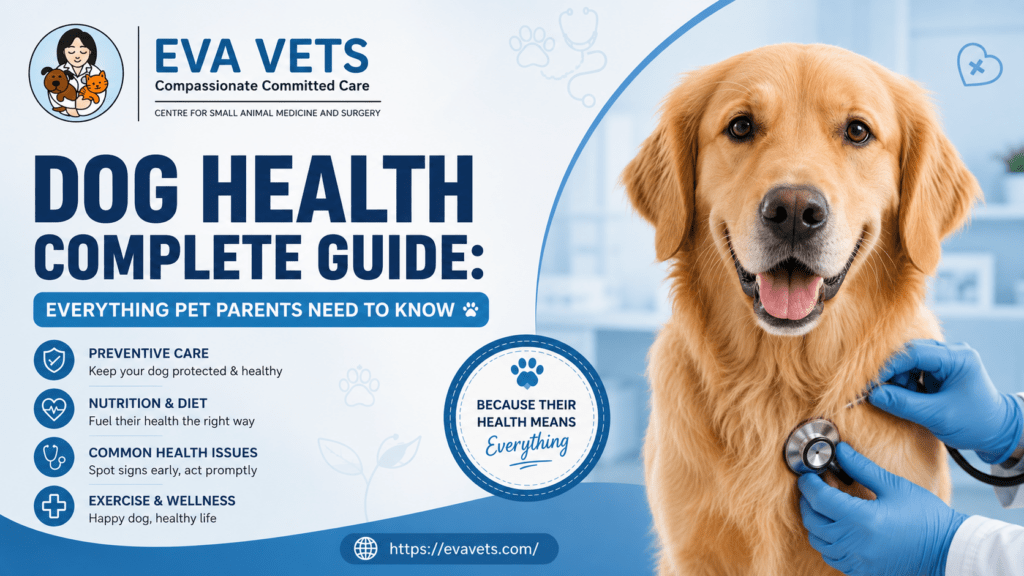
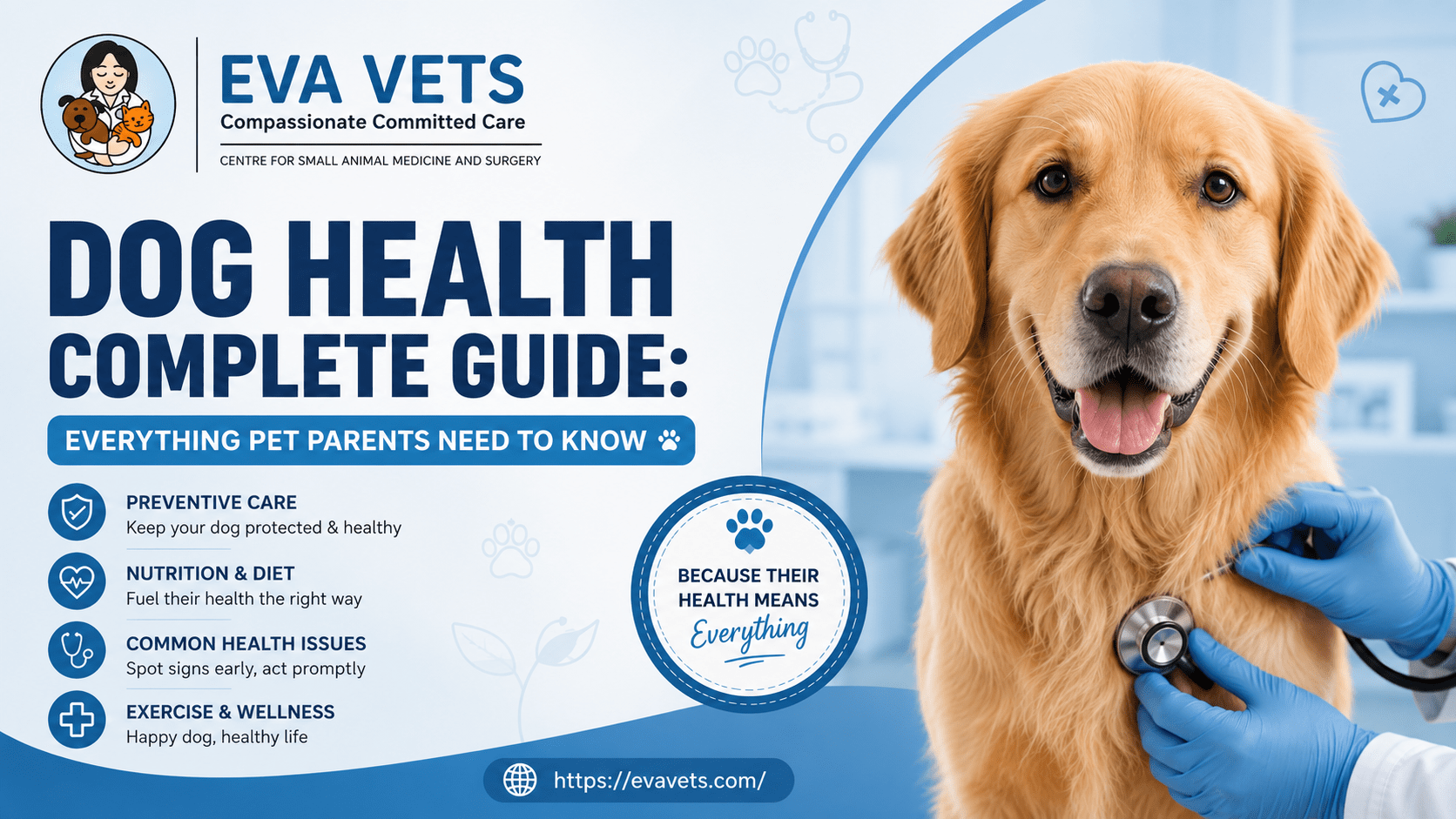
Dog Health Complete Guide: Everything Pet Parents Need to Know

Dog Health Complete Guide

Your dog is more than just a pet—they’re a beloved family member. Ensuring your furry friend stays healthy, happy, and thriving is one of the most important responsibilities of being a dog parent. But with so much conflicting information available online, it can be overwhelming to know what’s best for your dog’s health and wellness.

That’s why we’ve created this comprehensive dog health guide. Whether you’re a first-time dog owner or an experienced pet parent, this guide will help you understand the fundamentals of dog health, recognize warning signs, and make informed decisions about your dog’s care.

At Eva Vets in Dehradun and Haridwar, we’ve worked with thousands of dogs over the years, and we’ve learned what truly makes a difference in keeping our canine companions healthy. Let’s dive into everything you need to know about dog health and wellness.

Understanding Your Dog's Basic Health Needs

The Foundation of Good Dog Health

A healthy dog is built on four fundamental pillars:

  1. Proper nutrition – A balanced diet suited to your dog’s age and health status
  2. Regular exercise – Physical activity appropriate to your dog’s breed and age
  3. Preventive veterinary care – Vaccinations, regular checkups, and health screenings
  4. Emotional wellbeing – Mental stimulation, socialization, and a loving environment

Each of these elements plays a crucial role in your dog’s overall health. Neglecting any one of them can lead to health problems, behavioral issues, and a lower quality of life.

How Often Should You Visit the Vet?

The frequency of veterinary visits depends on your dog’s age and health status:

Puppies (0-1 year): Every 3-4 weeks for the first 16 weeks, then annually

Adult dogs (1-7 years): At least once a year for a wellness exam

Senior dogs (7+ years): Twice a year (every 6 months) to catch age-related issues early

Dogs with health conditions: As recommended by your veterinarian

Regular checkups allow your veterinarian to detect health problems before they become serious. During these visits, your vet will assess your dog’s weight, check their heart and lungs, examine their teeth, and discuss any concerns you might have.

Dog Nutrition: Feeding Your Dog Right

Why Nutrition Matters

A balanced diet is the foundation of good dog health. The food you feed your dog affects everything from their coat quality to their energy levels, immune function, and longevity.

What Your Dog Needs in Their Diet

Dogs require six essential nutrients for optimal health:

1. Proteins

  • Essential for building and repairing muscles, bones, and tissues
  • Should make up 18-25% of adult dog food
  • Look for named sources like “chicken,” not vague terms like “meat meal”

2. Fats

  • Provide energy and support coat and skin health
  • Source of essential fatty acids (Omega-3 and Omega-6)
  • Should make up 5-15% of dog food

3. Carbohydrates

  • Provide energy and fiber for digestive health
  • Help with blood sugar stability

4. Vitamins and Minerals

  • Support bone health, immune function, and enzyme activity
  • Calcium and phosphorus are particularly important

5. Water

  • Essential for every bodily function
  • Always provide fresh, clean water

6. Amino Acids

  • Building blocks of protein
  • Some are essential (dogs cannot produce them)

Choosing the Right Dog Food

Commercial Dog Food Options:

  • Dry kibble: Convenient, economical, helps maintain dental health
  • Wet/canned food: High moisture content, good for dogs with dental issues
  • Fresh/refrigerated: Minimal processing, nutrient-rich (typically more expensive)
  • Raw diet: Requires careful planning to be nutritionally complete

When selecting dog food, read the ingredient list carefully. The first ingredient should be a specific protein source (chicken, beef, fish), not a vague “meat” or “meat by-products.”

For personalized nutrition recommendations tailored to your dog’s specific needs, schedule a nutritional consultation with Dr. Mithila at Eva Vets.

Special Dietary Needs

Some dogs require special diets due to allergies, sensitivities, or medical conditions. If your dog has digestive issues, skin problems, or other health concerns, discuss dietary options with your veterinarian. Read our guide on pet food allergies and special diets to learn more.

Feeding Schedule and Portion Control

  • Puppies (8 weeks to 6 months): 3-4 meals per day
  • Puppies (6-12 months): 2 meals per day
  • Adult dogs: 1-2 meals per day
  • Senior dogs: 1-2 meals per day (may need smaller, more frequent meals)

Overfeeding is one of the most common causes of obesity in dogs. Use the feeding guidelines on your dog food package as a starting point, then adjust based on your dog’s body condition and activity level. Your vet can help determine the ideal weight for your dog.

Vaccinations: Protecting Your Dog From Disease

Why Vaccinations Matter

Vaccinations are one of the most important preventive health measures you can provide for your dog. They protect against serious, potentially fatal diseases that were once common causes of death in dogs.

Core vs. Non-Core Vaccines

Core Vaccines (recommended for all dogs):

  • Rabies: Required by law in most places. Prevents a fatal disease transmissible to humans
  • DHPP (Distemper, Hepatitis, Parvovirus, Parainfluenza): Protects against four serious viral diseases

Non-Core Vaccines (recommended based on lifestyle and risk):

  • Bordetella: Prevents kennel cough (recommended if your dog spends time in boarding facilities or dog parks)
  • Lepto: Protects against leptospirosis (recommended for dogs with exposure to wildlife or contaminated water)
  • Lyme disease: For dogs in areas with high tick populations

Puppy Vaccination Schedule

Puppies receive a series of vaccines starting at 6-8 weeks of age:

  • 6-8 weeks: First DHPP vaccine
  • 10-12 weeks: Second DHPP vaccine
  • 14-16 weeks: Third DHPP vaccine and first rabies vaccine
  • 1 year: Booster DHPP and rabies vaccines
  • Annually or every 3 years: Booster vaccines (depending on vaccine type and local laws)

After your puppy completes their initial series, they’ll need regular boosters to maintain immunity. For a detailed vaccination timeline customized to your puppy’s needs, read our comprehensive puppy vaccination guide.

Adult Dog Vaccination

Most adult dogs need booster vaccinations annually or every three years, depending on the vaccine. Your veterinarian will advise you on the appropriate schedule based on your dog’s lifestyle and risk factors.

Common Health Issues in Dogs

Understanding Symptoms and When to Seek Help

Even with the best care, dogs can develop health problems. Recognizing the signs early can make a huge difference in treatment outcomes.

Common Diseases to Watch For

Ear Infections

  • Symptoms: Scratching at ears, head shaking, foul odor, discharge
  • Causes: Bacteria, yeast, mites, or debris in the ear canal
  • Prevention: Regular ear cleaning, keeping ears dry, addressing allergies
  • Treatment: Professional cleaning and medication prescribed by your vet

Skin Problems and Allergies

  • Symptoms: Excessive scratching, hair loss, red or irritated skin, hot spots
  • Causes: Allergies (food, environmental, or contact), parasites, infections
  • Prevention: High-quality diet, flea and tick prevention, regular grooming
  • Treatment: Allergy testing, special diet, or medication

Dental Disease

  • Symptoms: Bad breath, difficulty eating, loose or broken teeth
  • Causes: Plaque and tartar buildup, poor oral hygiene
  • Prevention: Regular brushing, dental chews, professional cleanings
  • Treatment: Professional dental cleaning under anesthesia if needed

Learn more in our detailed guide on dog dental care.

Obesity

  • Symptoms: Difficulty moving, excessive panting, ribs not visible
  • Causes: Overfeeding, lack of exercise, medical conditions
  • Prevention: Proper portion control, regular exercise, healthy treats
  • Treatment: Gradual diet change, increased activity, medical evaluation

Arthritis (Common in Senior Dogs)

  • Symptoms: Stiffness after rest, limping, reluctance to jump or climb stairs
  • Causes: Age-related wear and tear, previous injuries
  • Prevention: Maintaining healthy weight, regular exercise, joint supplements
  • Treatment: Pain management, physical therapy, joint supplements

For a comprehensive overview of common health issues, read our guide on common dog diseases: signs, symptoms, and prevention.

Emergency Warning Signs

Seek immediate veterinary care if your dog shows:

  • Difficulty breathing or choking
  • Unconsciousness or collapse
  • Severe trauma or bleeding
  • Inability to urinate or defecate
  • Severe vomiting or diarrhea (especially with blood)
  • Seizures
  • Pale gums or extreme weakness
  • Suspected poisoning

If you think your dog is experiencing a medical emergency, don’t wait. Contact an emergency veterinary clinic immediately. For guidance on recognizing emergencies, read our complete guide on when to visit an emergency vet.

Preventive Care: The Best Medicine

Regular Health Screenings

Wellness Exams A yearly (or twice-yearly for seniors) wellness exam allows your veterinarian to:

  • Check vital signs and overall health status
  • Perform blood work to detect underlying issues
  • Screen for common breed-specific health problems
  • Discuss nutrition and exercise
  • Address behavioral concerns

Blood Work and Lab Tests Annual bloodwork provides a baseline for your dog’s health and can detect problems like:

  • Thyroid disease
  • Kidney or liver disease
  • Anemia
  • Diabetes
  • Infections

For senior dogs (7+ years), bloodwork every 6 months can catch age-related issues early.

Parasite Prevention

External Parasites (Fleas and Ticks)

  • Transmit diseases and cause skin problems
  • Use year-round prevention recommended by your vet
  • Check your dog regularly, especially after outdoor time

Internal Parasites (Worms)

  • Common in puppies and stray dogs
  • Can cause digestive issues, malnutrition, and serious disease
  • Puppies should be dewormed at 2, 4, 6, and 8 weeks, then monthly until 6 months
  • Adult dogs need regular deworming (at least annually)

Heartworm

  • Transmitted by mosquitoes
  • Preventable with monthly medication
  • Devastating if left untreated
  • Start prevention in puppies and continue for life

Spaying and Neutering

Surgical sterilization is one of the most important preventive health measures:

Benefits:

  • Eliminates risk of uterine and ovarian cancer in females
  • Reduces risk of mammary cancer significantly if done before first heat
  • Eliminates heat cycles and associated behaviors
  • Reduces aggression and roaming behavior in males
  • Prevents unwanted litters

Timing:

  • Most vets recommend spaying/neutering around 6 months of age
  • Some large breed dogs benefit from waiting until skeletal maturity (12-18 months)

For complete information about the procedure, recovery, and benefits, read our guide on spaying and neutering: benefits, risks, and recovery.

Dental Health: An Often-Overlooked Essential

Why Dog Dental Health Matters

Many pet parents don’t realize how important dental health is. Poor dental hygiene doesn’t just affect your dog’s teeth—it can lead to serious infections and even damage to the heart, kidneys, and liver.

Signs of Dental Disease

  • Bad breath
  • Yellow or brown buildup on teeth
  • Red, swollen, or bleeding gums
  • Difficulty eating or dropping food
  • Excessive drooling
  • Behavior changes or reluctance to play

Maintaining Your Dog’s Dental Health

At Home:

  • Brush your dog’s teeth daily if possible (3+ times per week minimum)
  • Use dog toothpaste (never human toothpaste)
  • Provide dental chews approved by the Veterinary Oral Health Council
  • Offer a high-quality diet that supports dental health

Professional Care:

  • Annual dental checkups
  • Professional cleaning under anesthesia when needed
  • Regular assessment for early signs of disease

Read our comprehensive guide on dog dental care: why it matters and how to do it for step-by-step instructions.

Age-Specific Health Considerations

Puppy Health (0-1 Year)

Puppies have unique health needs during their first year:

  • Frequent veterinary visits for vaccinations and health checks
  • Age-appropriate nutrition to support growth
  • Socialization and training
  • Parasite prevention and deworming
  • Early spaying/neutering discussion

Read our complete puppy care guide: first 6 months checklist for detailed information.

Adult Dog Health (1-7 Years)

During their prime years, focus on:

  • Annual wellness exams
  • Preventive medications (fleas, ticks, heartworm)
  • A consistent exercise routine
  • Dental care
  • Monitoring for any behavior or health changes

Senior Dog Health (7+ Years)

Older dogs need increased attention:

  • Twice-yearly veterinary exams
  • Bloodwork every 6 months
  • Joint support and pain management if needed
  • Adjusted nutrition for aging bodies
  • Monitoring for arthritis, cognitive decline, and other age-related issues

Learn more in our guide on senior dog care: health issues and comfort tips.

Mental and Emotional Health

The Mind-Body Connection

A dog’s emotional wellbeing is just as important as their physical health. Anxiety, boredom, and stress can contribute to behavioral problems and even physical health issues.

Keeping Your Dog Mentally Stimulated

  • Daily walks and playtime
  • Interactive toys and puzzle feeders
  • Training and obedience work
  • Socialization with other dogs and people
  • Rotating toys to maintain interest
  • Exploring new environments

Behavioral Issues

If your dog is struggling with anxiety, aggression, excessive barking, or other behavioral problems, professional help can make a tremendous difference. Dr. Mithila and the team at Eva Vets offer behavioral counseling to help address these issues.

Creating a Dog Health Records System

Why Documentation Matters

Keeping organized health records helps you:

  • Track vaccination dates and what vaccines your dog has received
  • Monitor weight changes and health trends
  • Provide complete information to emergency vets if needed
  • Remember medication schedules and dosages
  • Track symptoms and when they occur

What to Keep Records Of

  • Vaccination dates and certificates
  • Lab test results and bloodwork
  • Medication and dosages
  • Allergies and sensitivities
  • Surgery dates and details
  • Dental cleaning history
  • Parasite prevention treatments
  • Veterinary visit notes and recommendations

Your Partner in Your Dog's Health

At Eva Vets in Dehradun and Haridwar, we believe that informed pet parents make the best decisions for their dogs’ health. This guide provides a foundation of knowledge, but every dog is unique and may have specific health needs.

Dr. Mithila and our experienced team are here to partner with you in keeping your dog healthy and thriving throughout their life. Whether you have questions about nutrition, behavior, preventive care, or you’re concerned about a health issue, we’re here to help.

We’ve worked with thousands of dogs over the years—from newborn puppies to senior citizens—and we’ve seen how comprehensive, compassionate care makes a real difference in their quality of life and longevity.

Your Next Steps

  1. Schedule a wellness exam if your dog is due for a checkup
  2. Discuss preventive care with Dr. Mithila to ensure your dog is protected
  3. Review your dog’s nutrition to ensure they’re getting optimal nutrition
  4. Plan your dog’s exercise routine based on their age and breed

Take Action Today

Your dog’s health is in your hands. The decisions you make today—about nutrition, exercise, preventive care, and when to seek veterinary help—directly impact your dog’s lifespan and quality of life.

Don’t wait for a crisis to visit the vet. Schedule your dog’s wellness exam today and ensure they’re getting the comprehensive care they deserve.

Eva Vets Dehradun
Near Shipra Vihar, Canal Road, Dehradun
📞 7409007999 / 7409117999 / 9193100911 (Emergency)
📧 evavetsdehradun@gmail.com

Eva Vets Haridwar
282A Govindpuri, Haridwar
📞 7409057999
📧 evavetsharidwar@gmail.com

Query Now

Scroll to Top