
Eva vets

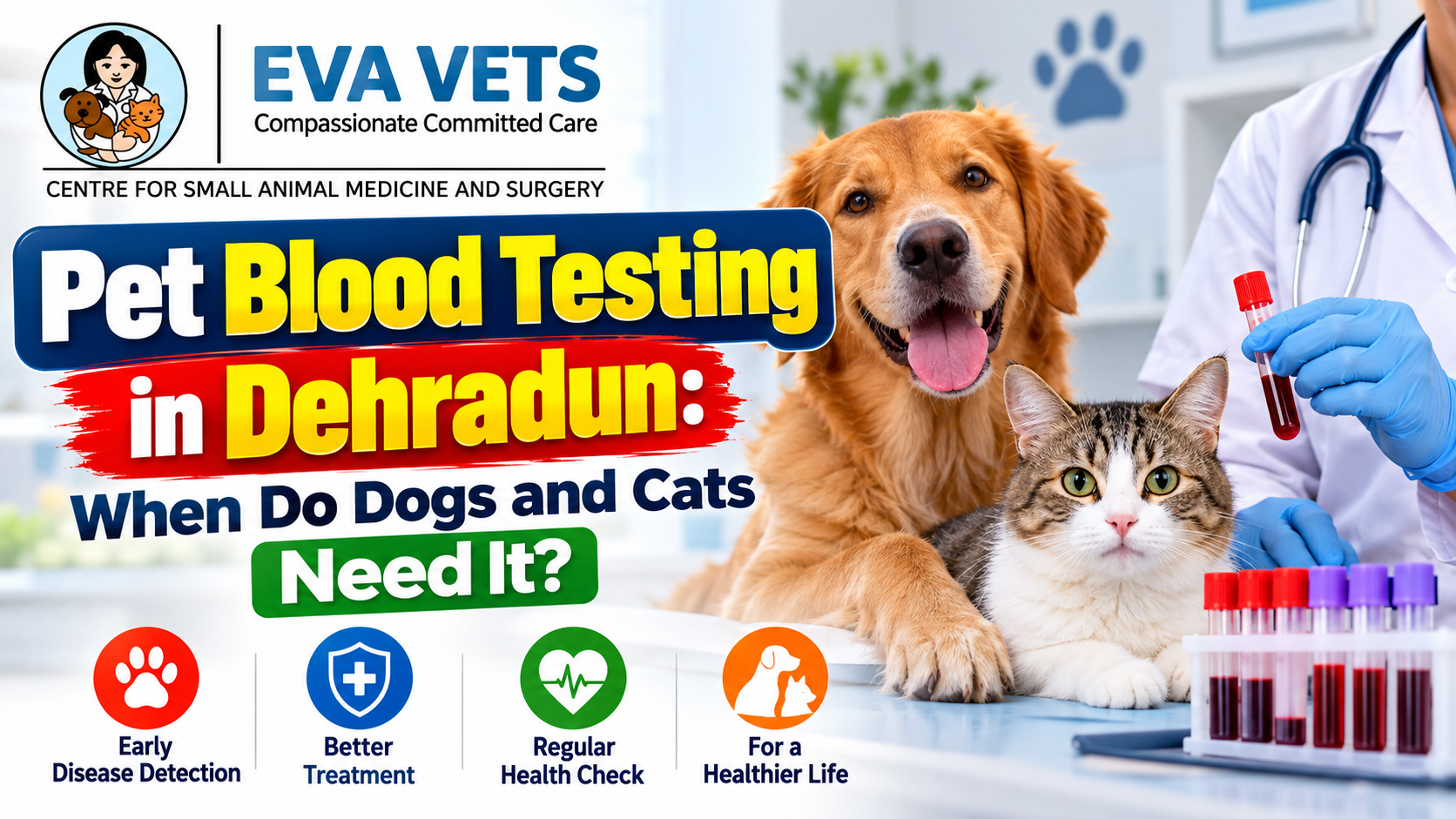
Pet Blood Testing in Dehradun: When Do Dogs and Cats Need It?

Pet Blood Testing in Dehradun: When Do Dogs and Cats Need It?

When your beloved dog or cat shows signs of illness, one of the first things your veterinarian might recommend is a blood test. Pet blood testing in Dehradun has become an essential diagnostic tool that helps veterinarians identify health issues before they become serious. Whether your pet is experiencing symptoms or you want to ensure they maintain optimal health, understanding the importance of blood tests can help you make informed decisions about their care.

At Eva Vets Veterinary Hospital in Dehradun, our experienced team uses advanced laboratory diagnostic services to provide comprehensive blood testing for dogs and cats. With in-house lab facilities and state-of-the-art equipment, we can deliver accurate results that guide proper treatment plans for your furry companions.

What Is Pet Blood Testing?

Pet blood testing refers to laboratory analysis of blood samples collected from dogs and cats to evaluate their health status. A blood test examines various components including red blood cells, white blood cells, platelets, and chemical markers that reveal information about organ function, infections, and metabolic disorders.

Blood tests serve as a window into your pet’s internal health. They can detect infections, assess organ function, identify anemia, evaluate immune response, and monitor response to medications. Pet blood testing in Dehradun clinics like Eva Vets utilizes advanced equipment to process these samples quickly and accurately, ensuring your pet receives timely diagnosis and treatment.

The process is relatively simple and non-invasive, though it does require a small blood sample. Modern veterinary facilities have minimized discomfort, and most pets tolerate the procedure well with proper handling and restraint techniques.

Why Do Dogs and Cats Need Blood Tests?

Blood tests are fundamental to modern veterinary medicine because they provide objective data about your pet’s health status. Unlike physical examinations alone, blood tests can reveal hidden diseases and conditions that might not show external symptoms.

Common reasons for pet blood testing include:

  • Early disease detection – Many conditions like diabetes, kidney disease, and liver problems can be identified before symptoms appear
  • Pre-surgical evaluation – Blood tests ensure your pet can safely undergo anesthesia
  • Monitoring chronic conditions – For pets with ongoing health issues, regular blood tests track disease progression
  • Infection identification – Blood work helps identify bacterial, viral, or parasitic infections
  • Medication monitoring – Blood tests verify that medications are working effectively and not causing adverse effects

At Eva Vets, our pet treatment in Dehradun services include comprehensive blood testing to support all aspects of pet healthcare, from routine wellness to complex medical management.

When Should Your Pet Get a Blood Test?

The frequency and timing of pet blood testing in Dehradun depend on your pet’s age, health status, and lifestyle factors. Knowing when blood tests are appropriate helps ensure your pet receives preventive care and early intervention when needed.

Recommended Timeline for Blood Tests:

  • Young adults (1-7 years): Annual wellness blood work
  • Senior pets (7+ years): Twice-yearly comprehensive blood panels
  • Puppies and kittens: Initial blood work at first veterinary visit
  • When showing symptoms: Immediately if your pet displays illness signs
  • Before major procedures: Always before surgery or anesthesia
  • When on medications: Regular monitoring for medication safety

Common Types of Blood Tests for Dogs and Cats

Understanding the different types of blood tests available helps you discuss appropriate testing options with your veterinarian. At Eva Vets Veterinary Hospital, we offer several comprehensive testing options.

Complete Blood Count (CBC) for Pets

The CBC is one of the most commonly performed blood tests. It measures:

  • Red blood cells (RBC) – carry oxygen throughout the body
  • White blood cells (WBC) – fight infections and support immunity
  • Platelets – essential for blood clotting
  • Hemoglobin – protein that carries oxygen in red blood cells

The CBC helps identify anemia, infections, immune disorders, and blood clotting problems. For pets showing lethargy, pale gums, or frequent infections, the CBC provides valuable diagnostic information.

Blood Chemistry Tests for Dogs and Cats

Chemistry panels (also called metabolic panels) measure various chemical markers including:

  • Liver enzymes – AST, ALT, ALP (detect liver disease)
  • Kidney markers – BUN, creatinine (assess kidney function)
  • Blood glucose – screens for diabetes
  • Protein levels – indicates nutritional and liver status
  • Electrolytes – sodium, potassium, chloride (critical for body function)

Chemistry tests provide a comprehensive view of organ function and metabolic health, making them essential for senior pets and those with suspected systemic diseases.

Blood Tests Before Surgery or Anesthesia

Pre-anesthetic blood work is crucial for pet safety. These tests evaluate:

  • Organ function (liver and kidneys)
  • Clotting ability
  • Electrolyte balance
  • Red blood cell levels

This testing allows veterinarians to adjust anesthetic protocols and monitor pets more carefully during procedures. Pet blood testing in Dehradun before surgery is standard of care at Eva Vets’ surgical facilities.

Blood Testing for Puppies, Kittens and Senior Pets

Puppies and Kittens

Young pets benefit from baseline blood work during their first veterinary visit. This establishes normal values for that individual pet and screens for congenital conditions. Blood tests at 6-8 weeks help ensure puppies and kittens are healthy before vaccination series and deworming protocols begin.

Senior Pets

Senior dogs and cats (typically 7+ years) should receive comprehensive blood work twice yearly. Age-related conditions like kidney disease, thyroid disorders, and liver problems are increasingly common in older pets, and early detection significantly improves outcomes.

How Blood Tests Help Detect Hidden Health Problems

Many serious pet health conditions develop silently without obvious external symptoms. Blood tests can reveal:

Endocrine Disorders

  • Diabetes mellitus (high blood glucose)
  • Hypothyroidism (low thyroid hormone)
  • Hyperadrenocorticism (Cushing’s disease)

Organ Disease

  • Kidney disease (elevated BUN and creatinine)
  • Liver disease (elevated liver enzymes)
  • Heart disease complications

Blood Disorders

  • Anemia (low red blood cells)
  • Leukemia or lymphoma
  • Clotting disorders

Infections

  • Bacterial infections (elevated WBC)
  • Viral infections
  • Parasitic infections

By detecting these conditions early through blood testing, treatments can begin before irreversible damage occurs. This proactive approach significantly improves your pet’s quality of life and longevity.

How to Prepare Your Pet for a Blood Test

Proper preparation ensures your pet remains calm and the blood draw proceeds smoothly. Here are practical steps to take:

Before the appointment:

  • Schedule the blood test early in the morning
  • Follow fasting instructions if your veterinarian recommends them
  • Ensure your pet exercises moderately to reduce anxiety
  • Bring your pet’s vaccination record
  • Inform the veterinarian about any medications your pet takes

Day of the test:

  • Arrive a few minutes early to allow your pet to acclimate
  • Stay calm and reassuring (pets pick up on owner anxiety)
  • Follow the veterinarian’s specific pre-test instructions

Most pet blood testing in Dehradun clinics, including Eva Vets, employ gentle handling techniques to minimize stress during sample collection.

What Happens During a Veterinary Blood Test?

Understanding the procedure helps you prepare your pet mentally and emotionally:

Step 1: Physical Examination The veterinarian performs a physical exam before drawing blood, checking for any contraindications or health concerns.

Step 2: Site Preparation The blood collection site (usually the foreleg vein) is cleaned with antiseptic solution and may be clipped of hair for better access.

Step 3: Sample Collection A small needle is inserted into the vein, and 5-15 mL of blood is collected into sterile tubes. The entire process typically takes 30-60 seconds.

Step 4: Sample Processing Samples are immediately transported to the laboratory for analysis. At Eva Vets’ in-house lab, results are often available within 24 hours.

Step 5: Pressure Application A cotton ball is held over the puncture site to stop bleeding and prevent bruising.

How Veterinarians Interpret Pet Blood Test Results

Blood test results are compared to established reference ranges for dogs and cats. Values outside these ranges indicate potential health issues. Your veterinarian considers:

  • Your pet’s age and breed (some breeds have naturally different values)
  • Medical history and current symptoms
  • Trends in serial blood work (comparing tests over time)
  • Clinical context (physical examination findings)

Results are typically categorized as:

  • Within normal limits – no action needed
  • Slightly elevated or decreased – may warrant monitoring
  • Significantly abnormal – requires further investigation or immediate treatment

Your veterinarian will explain results clearly and recommend appropriate next steps, which might include additional testing, lifestyle modifications, or medication.

Pet Blood Testing in Dehradun: When to Consult a Veterinarian

Contact an Eva Vets veterinarian immediately for blood testing if your pet exhibits:

  • Sudden changes in eating or drinking habits
  • Unexplained weight loss
  • Persistent vomiting or diarrhea
  • Excessive urination or defecation
  • Lethargy or depression
  • Difficulty breathing or persistent cough
  • Swollen abdomen
  • Pale gums or unusual bruising
  • Changes in behavior

Eva Vets maintains convenient hours for Dehradun residents:

  • Dehradun Hospital: 9 AM – 8 PM daily
  • Emergency Number: 9193100911
  • Location: Near Shipra Vihar, Canal Road, Dehradun

Our lab diagnostic service provides rapid testing for urgent conditions, with results available within hours when necessary.

Conclusion

Pet blood testing in Dehradun is not just about treating existing illness—it’s about proactive health management and early detection of potential problems. Regular blood work helps you and your veterinarian work together to maintain your pet’s health, extend their lifespan, and ensure they live their best life.

Whether you have a young puppy, an adult dog or cat, or a senior companion, blood testing should be part of their regular healthcare routine. The small investment in preventive testing can save thousands in emergency care costs and, more importantly, can mean years of additional healthy life with your beloved pet.

Trust Eva Vets Veterinary Hospital for comprehensive pet blood testing in Dehradun. Our commitment to excellence, combined with advanced diagnostic capabilities, ensures your pet receives the best possible care. Schedule your pet’s blood test today and take an important step toward a healthier, longer life together.

Take Action Today

Blood testing represents a cornerstone of preventive veterinary medicine. Whether your pet needs routine wellness testing or diagnostic evaluation for health concerns, timely blood work can significantly impact their health trajectory.

Eva Vets Dehradun
Near Shipra Vihar, Canal Road, Dehradun
📞 7409007999 / 7409117999 / 9193100911 (Emergency)
📧 evavetsdehradun@gmail.com

Eva Vets Haridwar
282A Govindpuri, Haridwar
📞 7409057999
📧 evavetsharidwar@gmail.com

Query Now

Scroll to Top