

Eva vets

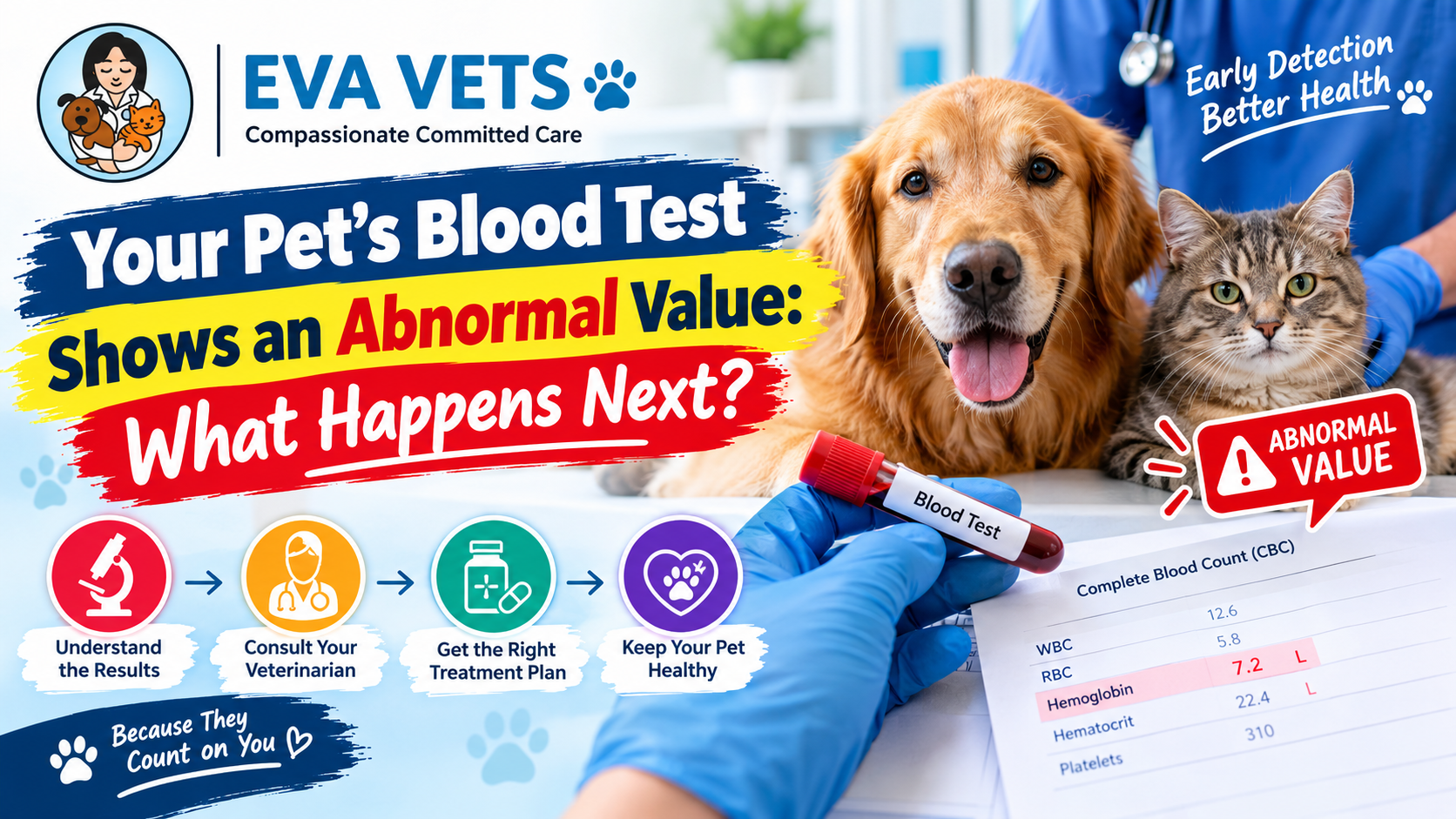
Your Pet's Blood Test Shows an Abnormal Value: What Happens Next?

Your Pet's Blood Test Shows an Abnormal Value: What Happens Next?

Receiving a call from your veterinarian saying your pet’s blood test results came back abnormal can trigger immediate worry. But before you panic, it’s important to understand what abnormal results actually mean. When a pet’s blood test shows an abnormal value, it doesn’t automatically signal a serious illness—it’s actually an important diagnostic tool that helps your vet identify health issues early. At Eva Vets, our in-house lab diagnostic services provide quick, accurate results that give you answers when you need them most.

This comprehensive guide walks you through what those abnormal values mean, why they happen, and most importantly, what steps come next in caring for your beloved companion.

What Does an Abnormal Blood Test Value Mean in Pets?

When a pet’s blood test shows an abnormal value, it simply means one or more measurements fall outside the normal reference range for that test. Think of it like a status indicator—these values tell your veterinarian what’s happening inside your pet’s body at the cellular and chemical level.

A single abnormal result might be a minor concern or require immediate investigation. The context matters enormously. Your pet’s age, breed, current symptoms, medications, and overall health history all influence how your vet interprets the results. This is why we always recommend consulting with an experienced veterinarian rather than relying on online interpretations.

Common Types of Blood Tests for Dogs and Cats

Complete Blood Count (CBC)

A Complete Blood Count examines various blood cells and components. This test measures:

  • Red blood cells (RBCs): Carry oxygen throughout the body
  • Hemoglobin: Oxygen-carrying protein in red blood cells
  • White blood cells (WBCs): Fight infections and support immune function
  • Platelets: Enable blood clotting

Blood Chemistry Profile

The blood chemistry profile evaluates organ function and electrolyte balance. This includes measurements of:

  • Liver enzymes (ALT, AST, alkaline phosphatase)
  • Kidney function markers (creatinine, BUN)
  • Blood glucose levels
  • Protein levels

Electrolyte Testing

Electrolytes including sodium, potassium, and chloride maintain proper hydration and nerve function. Imbalances can indicate dehydration, kidney disease, or endocrine disorders.

Why Can a Pet's Blood Test Results Be Abnormal?

There are numerous reasons why a pet’s blood test shows abnormal values. Understanding these causes helps explain your veterinarian’s recommendation for next steps:

Infections: Bacterial, viral, or parasitic infections commonly cause elevated white blood cell counts.

Organ dysfunction: Liver disease, kidney disease, or thyroid problems alter specific enzyme and chemical levels.

Diabetes: Elevated blood glucose indicates potential diabetes, requiring dietary changes and possible insulin therapy.

Dehydration or nutritional issues: Imbalances in electrolytes or protein reflect hydration status and nutritional intake.

Medication side effects: Some medications temporarily affect blood values and may need adjustment.

Stress or recent illness: Temporary abnormalities often resolve once the underlying cause is addressed.

Allergies: Allergic reactions sometimes elevate eosinophil counts (a type of white blood cell).

What Do High or Low Blood Test Values Indicate?

Changes in Red Blood Cells and Hemoglobin

Low RBC or hemoglobin (anemia) means your pet’s blood carries less oxygen. Signs include lethargy, pale gums, and weakness. Causes range from blood loss to nutritional deficiencies to bone marrow disorders.

High RBC is less common but suggests dehydration or, rarely, bone marrow disease.

High or Low White Blood Cell Counts

Elevated WBC typically indicates infection, inflammation, stress, or leukemia. Your vet may recommend antibiotic treatment or further investigation.

Low WBC suggests bone marrow problems, severe infection, autoimmune disease, or immune suppression—all requiring prompt attention.

Abnormal Liver Enzyme Levels

Elevated liver enzymes indicate hepatic inflammation or liver disease. While sometimes temporary from stress or medication, persistent elevation warrants ultrasound imaging and additional testing.

Changes in Kidney Function Markers

High creatinine or BUN suggests kidney disease—one of the most common conditions in senior cats and dogs. Early detection through blood testing allows for dietary management and treatment interventions.

Abnormal Blood Glucose Levels

High glucose indicates diabetes, while low glucose (hypoglycemia) can signal liver disease, insulinoma, or overdose of diabetes medication.

Comparison Table: Common Blood Test Abnormalities and Their Meanings

Test Parameter Normal Range High Result Indicates Low Result Indicates
Red Blood Cells 5.5-8.5 million/μL Dehydration Anemia, blood loss
Hemoglobin 13.5-17.5 g/dL Dehydration Anemia, nutritional deficiency
White Blood Cells 6,000-17,000/μL Infection, inflammation Bone marrow disease, immunosuppression
Platelets 150,000-400,000/μL Dehydration, infection Bleeding disorders, immune disease
ALT (Liver enzyme) 10-100 IU/L Liver inflammation, damage Unlikely to be abnormal
Creatinine (Kidney) 0.6-1.4 mg/dL Kidney disease, dehydration Rare, muscle metabolism issues
Blood Glucose 70-100 mg/dL Diabetes, stress Hypoglycemia, liver disease

Can Stress, Dehydration, or Medication Affect Blood Test Results?

Absolutely. These factors frequently cause abnormal results that don’t reflect true disease:

Stress: High stress raises cortisol, affecting WBC counts and glucose levels. Fear-based lab visits sometimes produce misleading results.

Dehydration: Concentrates blood components, falsely elevating multiple values. Encouraging water intake before retesting helps clarify results.

Recent medications: Antibiotics, anti-inflammatory drugs, and corticosteroids temporarily alter liver and kidney values.

Fasting status: Some tests require fasting; non-fasted samples may show abnormal glucose or lipid levels.

This is why veterinarians often recommend repeat testing when results seem inconsistent with clinical signs.

What Happens After an Abnormal Pet Blood Test?

Step 1: Discuss Results with Your Veterinarian

Your vet explains which values are abnormal, what they suggest, and whether immediate action is needed. Ask questions—understanding the results reduces anxiety.

Step 2: Assess Clinical Signs

Your vet correlates test results with your pet’s actual symptoms. A mildly elevated liver enzyme with a healthy, active pet warrants monitoring. The same enzyme in a lethargic, vomiting pet suggests immediate intervention.

Step 3: Determine Next Steps

Your vet may recommend:

  • Repeat testing in 2-4 weeks to confirm abnormalities
  • Additional diagnostics like ultrasound or X-rays
  • Immediate treatment if values indicate serious conditions
  • Dietary changes to support organ function
  • Medications to address specific conditions

When Might Your Veterinarian Recommend Repeat Testing?

Repeat testing clarifies whether abnormalities are temporary or persistent. Your vet typically recommends repeat blood work when:

  • Initial results seem inconsistent with clinical signs
  • Values are only mildly abnormal and stress-related changes are suspected
  • Monitoring chronic conditions like diabetes or kidney disease
  • Adjusting medication doses
  • Assessing treatment response after starting new therapy

At Eva Vets’ lab diagnostic services, our in-house capabilities mean quick turnaround times for repeat tests, allowing faster diagnosis and treatment adjustments.

Additional Diagnostic Tests Your Pet May Need

Urinalysis

Complements blood work by evaluating kidney function and detecting infections.

Ultrasound Imaging

Visualizes organs to assess size, shape, and structure—crucial when blood tests suggest organ disease.

X-rays

Evaluate bone health, lung function, and internal organ size.

Thyroid Testing

Specific testing for hyperthyroidism (common in cats) or hypothyroidism (common in dogs).

Coagulation Studies

Assess bleeding and clotting function if platelet abnormalities appear.

Warning Signs That Require Prompt Veterinary Attention

When your pet’s blood test shows an abnormal value, certain findings demand immediate action:

  • Severe anemia with pale gums and lethargy
  • Extremely elevated liver enzymes with vomiting or jaundice
  • Critical glucose levels causing seizures or loss of consciousness
  • Very low platelet counts with spontaneous bleeding
  • High kidney values in a pet showing signs of uremia

Don’t wait for follow-up appointments in these cases—call your emergency vet immediately. Eva Vets offers 24/7 emergency care services for urgent situations.

How to Prepare for Your Pet's Follow-Up Veterinary Appointment

Gather Complete History

Compile any dietary changes, new symptoms, medications, or environmental changes since the original test.

Maintain Health Records

Keep previous test results organized for comparison.

Monitor Symptoms

Note any changes in appetite, energy, bathroom habits, or behavior between visits.

Prepare Questions

Write down concerns and questions to ensure comprehensive discussion.

Bring Samples if Requested

Your vet may request urine or stool samples for follow-up testing.

Keep Your Pet Calm

Minimize stress during the visit, which can affect test accuracy.

Conclusion: Understanding the Next Steps in Your Pet's Care

When your pet’s blood test shows an abnormal value, remember that this diagnostic tool serves your pet’s benefit. Abnormal results aren’t a death sentence—they’re information. That information guides your veterinarian toward accurate diagnosis and effective treatment.

Your next steps after receiving abnormal results include:

  1. Schedule a thorough discussion with your veterinarian to understand results
  2. Commit to any recommended repeat testing or additional diagnostics
  3. Follow treatment recommendations closely and monitor response
  4. Maintain preventive care with regular check-ups and blood work

At Eva Vets, our expert veterinarians, including Dr. Mithila and her team, specialize in interpreting blood results and developing individualized treatment plans. Our in-house lab diagnostic services provide accurate, timely results so you get answers quickly.

Whether your pet needs initial diagnosis, follow-up testing, or ongoing monitoring for chronic conditions, trust the professionals who understand that your pet isn’t just another patient—they’re family.

Contact Eva Vets today for comprehensive blood testing and expert veterinary guidance in Dehradun, Haridwar, or Saharanpur. Your pet’s health journey starts with understanding what their blood tests reveal.

Frequently Asked Questions About Abnormal Blood Test Results

Q1. Does an abnormal blood test always mean my pet is sick?

Lorem ipsum dolor sit amet, consectetur adipiscing elit. Ut elit tellus, luctus nec ullamcorper mattis, pulvinar dapibus leo.

Yes, absolutely. Many conditions causing abnormal values respond well to treatment. Infections clear up with antibiotics, dehydration improves with fluid therapy, and some organ issues stabilize with medication and dietary management.

It depends on severity. Mildly abnormal values in asymptomatic pets can wait 2-4 weeks for repeat testing. Severely abnormal values or those accompanied by clinical signs require same-day or next-day investigation.

Repeat testing confirms initial findings, assesses treatment response, monitors chronic conditions, or clarifies stress-related anomalies. It’s a standard, non-invasive way to ensure accurate diagnosis.

Yes, blood tests detect kidney and liver disease through elevated creatinine, BUN, and liver enzyme levels. Combined with urinalysis and imaging, these tests provide comprehensive organ evaluation.

Query Now

Scroll to Top